Soaking Vegetable Seeds for Germination? This Is What Happens
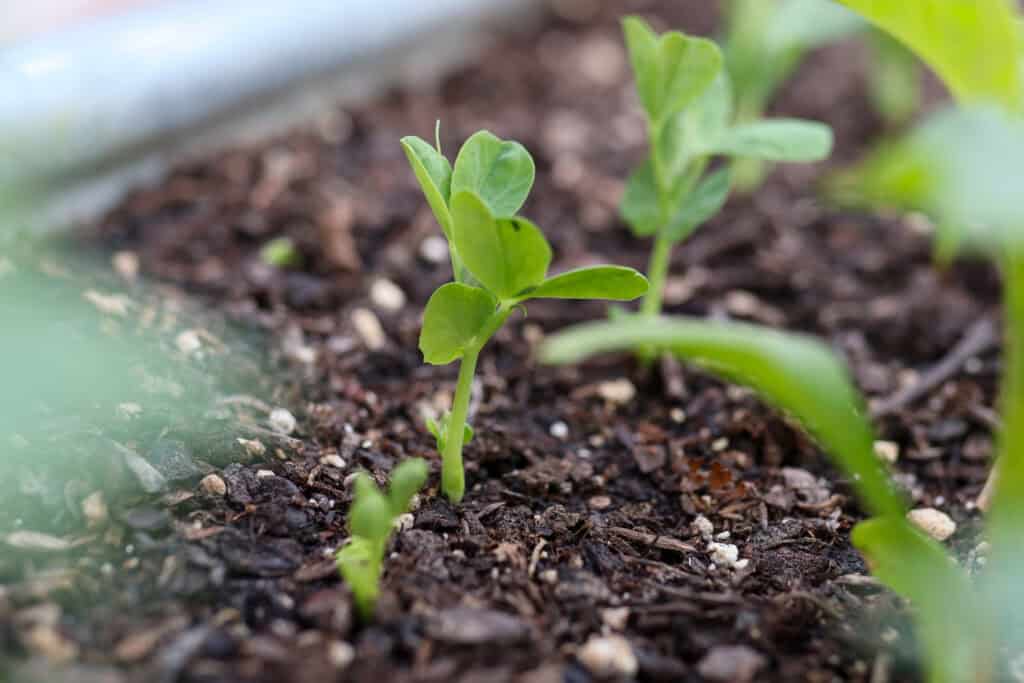
Have you tried soaking your vegetable seeds for faster germination?
I didn’t start soaking seeds until years into being a container vegetable gardener.
But to be honest, I wondered if it actually made a difference.
And so I decided to test it out.
I’ve been soaking seeds ever since!
Well, certain seeds – there are some best practices to follow, which I’ll get into below.
I’m going to share my process for soaking seeds and what I’ve learned in my years of using this method for faster germination.

Does Soaking Seeds Make A Difference?
Rather than tell you my thoughts, I’m going to share something from this spring growing season.
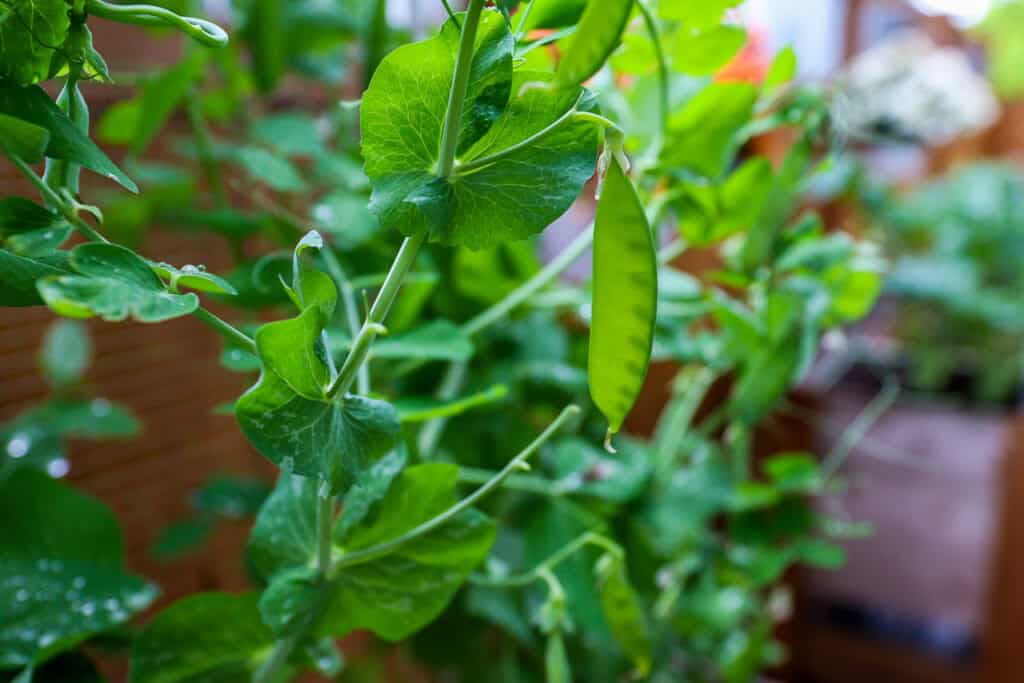
I am growing snap peas. We installed an arched trellis over two of my containers – I am really looking forward to seeing it fill out.
Several weeks ago, I planted seeds in the first container bed that I amended for the season. It had been a busy day of getting my garden prepared for the spring, and I was impatient.
So, instead of taking the time to soak the snap pea seeds, I planted them right away.
Two weeks later, I finished prepping my containers with the newly installed arched trellis.
My garden was growing well, so I was feeling less impatient and decided to soak this set of snap pea seeds overnight.
What was the outcome?
The seeds I did not soak took two weeks to sprout. The seeds I did soak took five days.
That’s pretty significant!
So, why does this happen?
Soaking softens the seed coast, allowing moisture to penetrate more easily. That moisture gets the internal processes started for germination.
Why Soak Seeds for Container Gardening
While I think soaking seeds is a good method for any type of vegetable garden, I find it particularly important for container gardens.
Assuming you are planting during the spring, summer, and fall growing season like I do, and you have a limited amount of space (me too), you’re going to want those containers to be ready for the next season when it begins.
For me, this means getting as quick a harvest as possible for the current season.
By giving your seedlings a faster start at germination, you’re getting those plants closer to harvest.
If you do this, combined with using frost cover to extend your season, you’ll be better able to time your next season seeds and transplants to when they need to go in the containers.
Of course, this depends on your location and last frost date. My home garden is in Zone 6b with an average last frost date of mid-April. I sow my first spring seeds and plant transplants in early March.
What Type of Seed Should be Soaked for Faster Germination
I’ve shared with you that this is a good method, so you’re probably thinking, “how do I do it?”
The first point I need to make is that not all seeds are good candidates for soaking.
In general, the larger seeds, which have a tougher outer shell, are the ones best suited for soaking.
Those include beans, peas, pumpkins (not recommended for container gardens), squash, cucumbers, and corn (also not recommended for container gardens). Additionally, I soak my beet and swiss chard seeds because of their corky seed cluster.
Now, you technically can soak other seeds. You would just want to limit the amount of time they soak – more on that below.
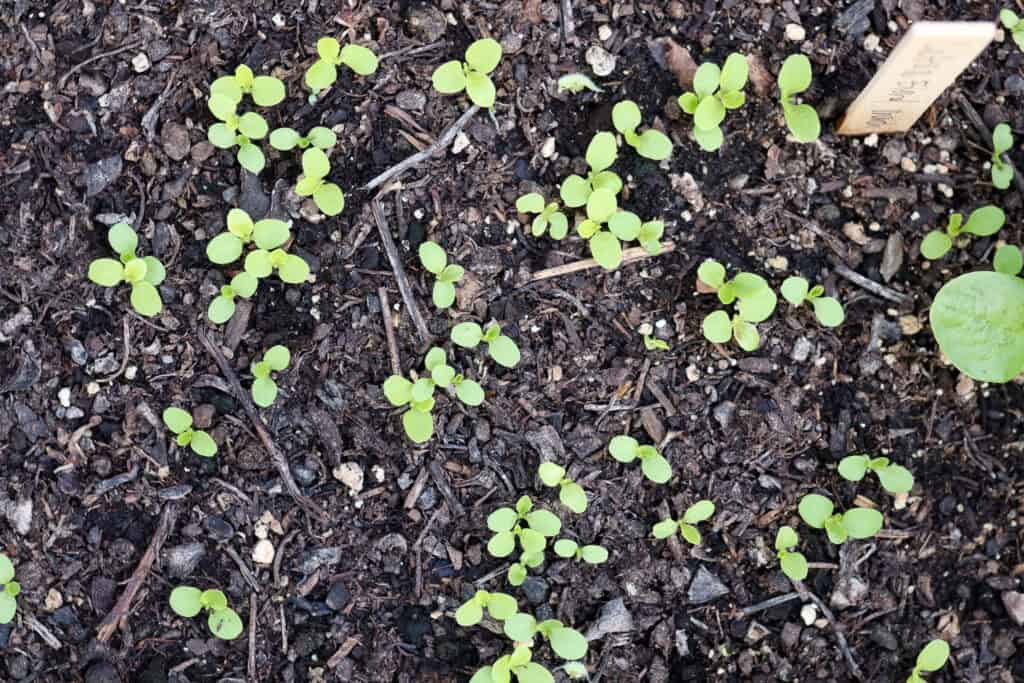
I find that when I soak small seeds – like carrots or lettuce, it makes them difficult to work with and get planted in the ground because they are wet and will stick to everything.
How to Soak Seeds for Germination
Soaking seeds is easy.
You’ll need a container – I use a glass jar. For smaller seeds, you could use a damp cloth in a sealed bag.
For the water, I recommend using tap water that has been sitting out for a few hours so that the chlorine can dissipate. You can also use rainwater. Either way, it should be room temperature.
How Long to Soak Seeds Before Planting?
This depends on the seeds. If you over-soak them, they will get slimy and start to rot.
- Large to Medium Seeds (beans, peas, squash, cucumbers): 12 hours is usually good. I do not soak for more than 24 hours, but will often go up to that because I soak seeds overnight. You will notice the seeds swell up a bit as they absorb the water.
- Smaller Seeds (swiss chard, beets): 4 hours is what I typically do for these.
- Very Small Seeds (lettuce, carrot, tomato): It’s not as necessary to do this with small seeds, but if you do, I’d recommend sticking to just a couple hours and soaking on a paper towel.
Post-Soak Planting
You’ll want to get your seeds planted as soon as possible, especially while they are still moist.
Then, keep the potting mix moist until they sprout seedlings.
Typically, I do not add fertilizer until after the seeds sprout. The seeds have all the nutrients they need to get them to that point.
And there you have it! That’s how you can soak your seeds for faster germination. I hope you give it a try!
